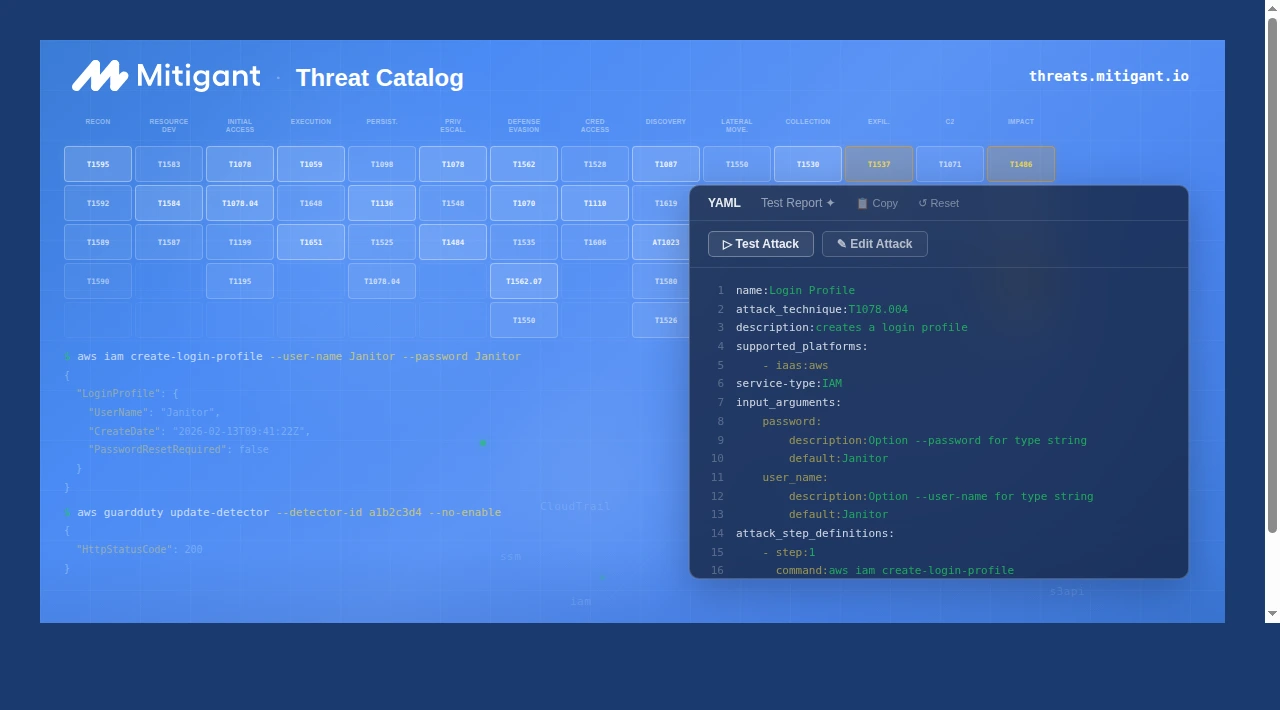
Die besten Mitigant-Blogartikel 2025


Ein frohes neues Jahr 2026! Im Laufe des Jahres 2025 stießen unsere Blogs auf großes Interesse bei Cloud-Sicherheitsexperten, Branchenkennern und wichtigen Entscheidungsträgern im Bereich Cybersicherheit. Diese Ergebnisse spiegeln unser kontinuierliches Engagement wider, aussagekräftige Erkenntnisse, strategische Leitlinien und praktische Empfehlungen zu zentralen Herausforderungen der Cloud-Sicherheit bereitzustellen, um Unternehmen beim Aufbau und Erhalt einer robusten und widerstandsfähigen Sicherheitsarchitektur zu unterstützen.
Wir freuen uns, Ihnen die herausragenden Inhalte unserer Website zu präsentieren, die bei unseren Lesern im vergangenen Jahr den größten Anklang gefunden haben. Im Folgenden finden Sie die zehn besten Blogartikel, sortiert nach Performance und Leserengagement.
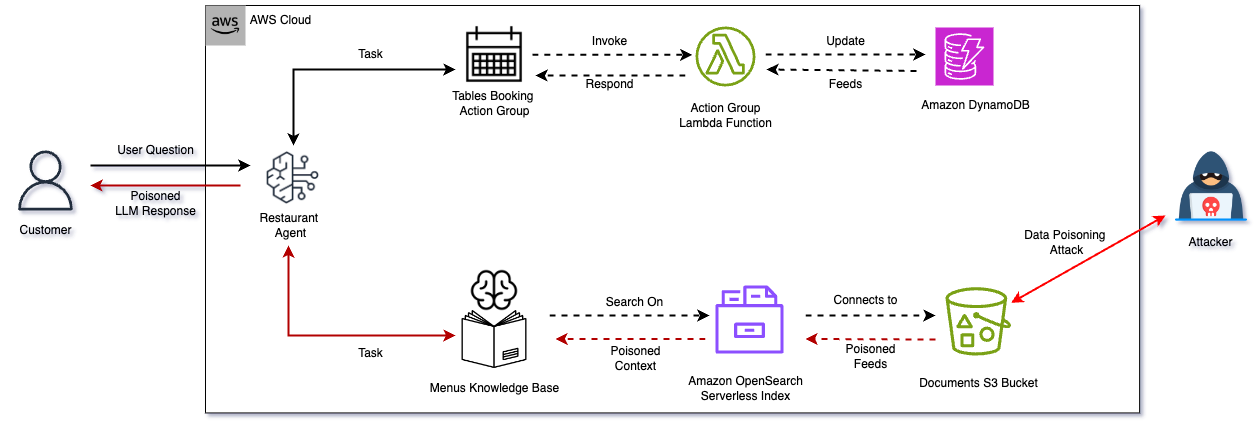
1. Bedrock oder Bedsand: Angriff auf die Achillesferse von Amazon Bedrock
Eine bemerkenswerte Leistung: Dieser Artikel hält sich nun schon das zweite Jahr in Folge (2024 und 2025) auf Platz 1, was seine anhaltende Relevanz und Wirkung innerhalb der Cloud-Security-Community unterstreicht.
KI dominierte auch 2025 die Technologielandschaft, wobei Unternehmen zunehmend auf Amazon Bedrock setzen, um ihre KI-Anwendungen zu betreiben. Amazon Bedrock bietet Zugriff auf verschiedene Foundation Models (FMs) führender KI-Unternehmen und ist damit eine attraktive Wahl für Unternehmen, die KI-gestützte Lösungen entwickeln.
Da die Einführung jedoch immer schneller voranschreitet, ist das Verständnis des Modells der geteilten Verantwortung und dessen spezifische Anwendung auf Bedrock unerlässlich, um eine solide Cloud-Sicherheitslage zu gewährleisten. Dieser Blogbeitrag untersuchte mehrere kritische Sicherheitsprobleme in Bedrock, einschließlich potenzieller Auswirkungen, Erkennungsmöglichkeiten und Strategien zur Risikominderung.
Die anhaltende Spitzenposition des Artikels spiegelt mehrere wichtige Trends in der Cybersicherheitslandschaft wider:
Anerkennung und Validierung durch die Branche: Unsere Forschung erhielt bedeutende Anerkennung, als Splunk unsere Ergebnisse in seine offizielle AWS Bedrock Security Analytics Storyaufnahm, die unsere Arbeit direkt in ihrem Erkennungs-Framework referenziert. Diese Integration in Enterprise-Sicherheitsplattformen bestätigt die praktische Anwendbarkeit unserer Forschung und zeigt, wie unsere Erkenntnisse von Sicherheitsteams weltweit operativ genutzt werden.
Von der Forschung zur VerteidigungDie in diesem Artikel beschriebenen realen Angriffsszenarien – darunter Data Poisoning, Prompt-Injection-Techniken und LLMjacking – basieren auf unserer praktischen Erfahrung bei Sicherheitstests für Bedrock. Es handelt sich dabei nicht um theoretische Überlegungen, sondern um Ergebnisse tatsächlicher Angriffs-Emulationen und Red-Teaming-Einsätze, die wir durchgeführt haben. Die Plattform von Mitigant enthält entsprechende Angriffsszenarien, mit denen Unternehmen ihre Bedrock-Implementierungen durch kontrollierte Emulationen proaktiv testen und ihre Abwehrmechanismen validieren können, bevor Angreifer diese ausnutzen.
Lesen Sie den vollständigen Artikel: Bedrock oder Bedsand: Angriff auf die Achillesferse von Amazon Bedrock
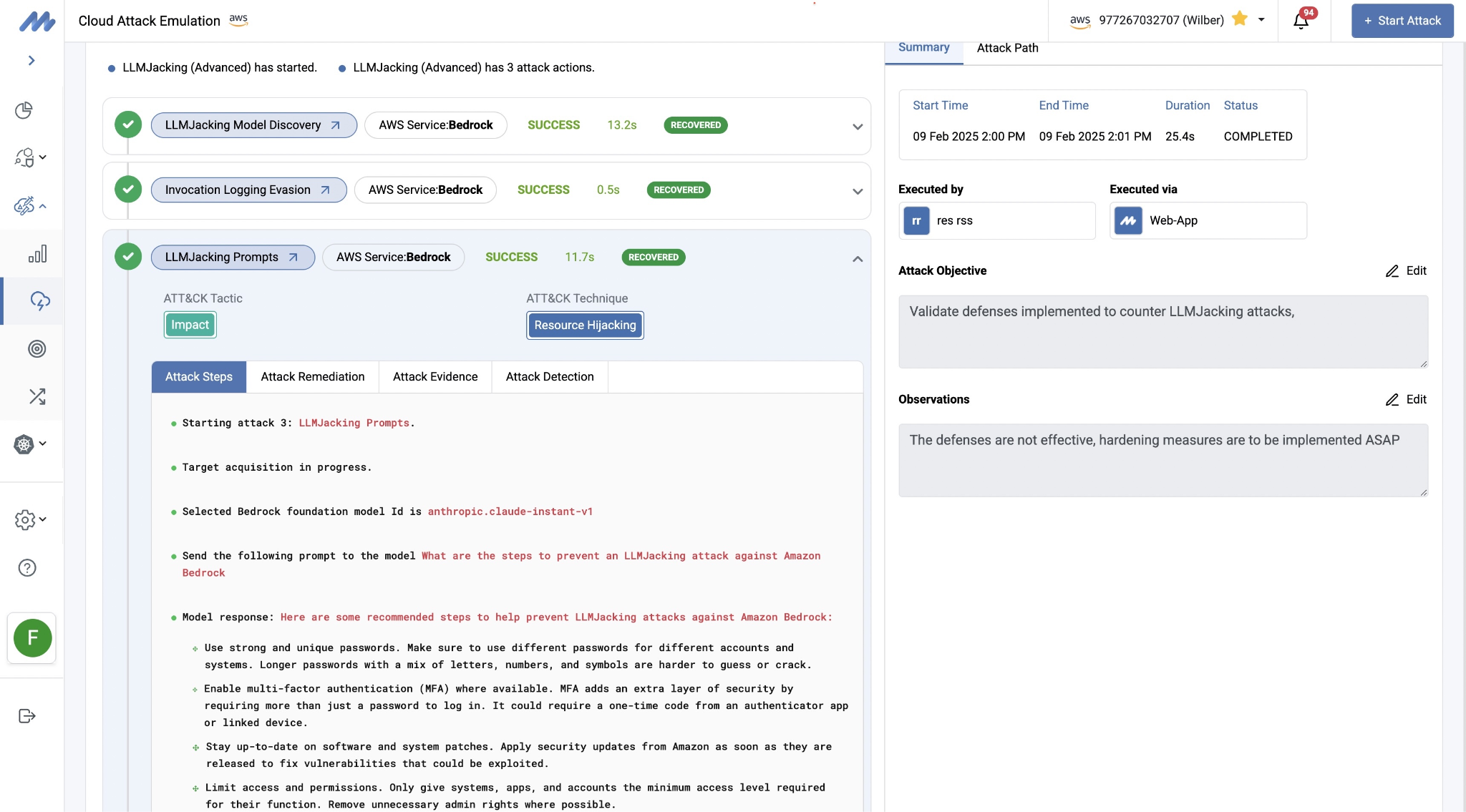
2. LLMJacking-Angriffe auf Amazon Bedrock entmystifiziert
Aufbauend auf dem Erfolg unseres meistgelesenen Artikels bietet dieser Beitrag eine tiefgehende Analyse von LLMJacking-Angriffen auf Amazon-Bedrock-Implementierungen. Während Unternehmen Large Language Models in großem Maßstab einsetzen, haben Angreifer ausgefeilte Techniken entwickelt, um diese Ressourcen für unbefugte Zwecke zu kapern, was zu erheblichen finanziellen und operativen Schäden führt.
Wie schon sein Vorgänger basiert dieser Artikel direkt auf unserer operativen Erfahrung bei der Durchführung von Angriffs-Emulationen und Red-Teaming-Übungen in Bedrock-Umgebungen. Wir analysieren die Anatomie von LLMJacking-Angriffen und zeigen auf, wie Angreifer kompromittierte Zugangsdaten missbrauchen können, um Foundation Models für ihre eigenen Zwecke zu nutzen.
Die Plattform von Mitigant enthält diese LLMjacking-Angriffsszenarien, sodass Sicherheitsteams diese Bedrohungen sicher in ihren eigenen Umgebungen emulieren können. Unternehmen können ihre Erkennungsfähigkeiten proaktiv testen, ihre Incident-Response-Verfahren validieren und sicherstellen, dass ihre Sicherheitskontrollen die unbefugte Nutzung von Modellen wirksam verhindern – ganz ohne das Risiko einer tatsächlichen Kompromittierung.
Wir untersuchen Erkennungsstrategien, forensische Indikatoren und Abwehrmaßnahmen, die Sicherheitsteams zum Schutz ihrer GenAI-Infrastruktur implementieren können. Der praxisorientierte Fokus und die umsetzbaren Empfehlungen, gestützt durch reale Testerfahrungen, machen diesen Artikel zur Pflichtlektüre für Unternehmen, die ihre KI-Workloads auf AWS absichern.
Lesen Sie den vollständigen Artikel: LLMJacking-Angriffe auf Amazon Bedrock entmystifiziert

3. Security Chaos Engineering 101: Grundlagen
Dieser Artikel ist der erste Teil einer dreiteiligen Serie, die das philosophische und technische Fundament der Mitigant-Plattform erläutert.
Security Chaos Engineering (SCE) hat 2025 weiter an Bedeutung gewonnen, da Unternehmen erkannt haben, wie wichtig es ist, ihre Sicherheitskontrollen proaktiv unter realistischen Bedingungen zu testen. Dieser grundlegende Artikel positioniert SCE als festen Bestandteil der Security Engineering-Praxis – weg vom Nischenthema, hin zu einem zugänglichen Werkzeug für Security Engineers und Cybersicherheitsexperten.
Die in dieser Serie beschriebenen Prinzipien und Methoden sind keine bloße Theorie; sie bilden das architektonische Fundament und die Designphilosophie, auf der die gesamte Mitigant-Plattform aufbaut. Bei der Entwicklung von Mitigant haben wir SCE nicht einfach als Feature integriert, sondern die gesamte Plattform konsequent auf SCE-Prinzipien ausgerichtet: kontrolliertes Chaos, empirische Validierung, „Assume-Breach“-Mentalität sowie sicheres Experimentieren mit automatisiertem Rollback.
Der Artikel räumt mit zwei weit verbreiteten Missverständnissen über SCE auf und bietet einen klaren Rahmen, um zu verstehen, wie Experimente mit kontrolliertem Chaos die Sicherheitslage eines Unternehmens stärken können. Indem wir die Praxis entmystifizieren und objektive Informationen bereitstellen, unterstützen wir Teams dabei, SCE-Prinzipien zu nutzen, um Sicherheitsannahmen zu validieren, bevor Angreifer sie ausnutzen können.
Das wachsende Interesse an diesem Artikel spiegelt den Wandel der Branche wider: weg von theoretischen Sicherheitsbewertungen hin zur empirischen Validierung durch gezielte Angriffstests – ein Wandel, den Mitigant im Bereich Cloud-Sicherheit maßgeblich vorantreibt.
Die komplette Serie „Security Chaos Engineering 101“:
- Security Chaos Engineering 101: Grundlagen – Etablierung von SCE als Disziplin im Security Engineering und Klärung häufiger Missverständnisse
- Security Chaos Engineering 101: Praktische Anwendung – Praxisbeispiele mit konkreten SCE-Experimenten sowie die für erfolgreiche Chaos-Experimente erforderliche Denkweise und Zielsetzung
- Security Chaos Engineering 101: Mindmap & Feedbackschleife – Die SCE-Mindmap (Was, Warum, Wer, Wie, Wo) und die Feedbackschleife, die durch systemisches Denken kontinuierliche Verbesserungen ermöglicht
4. Feature-Release: Cloud-Angriffsemulation für Azure
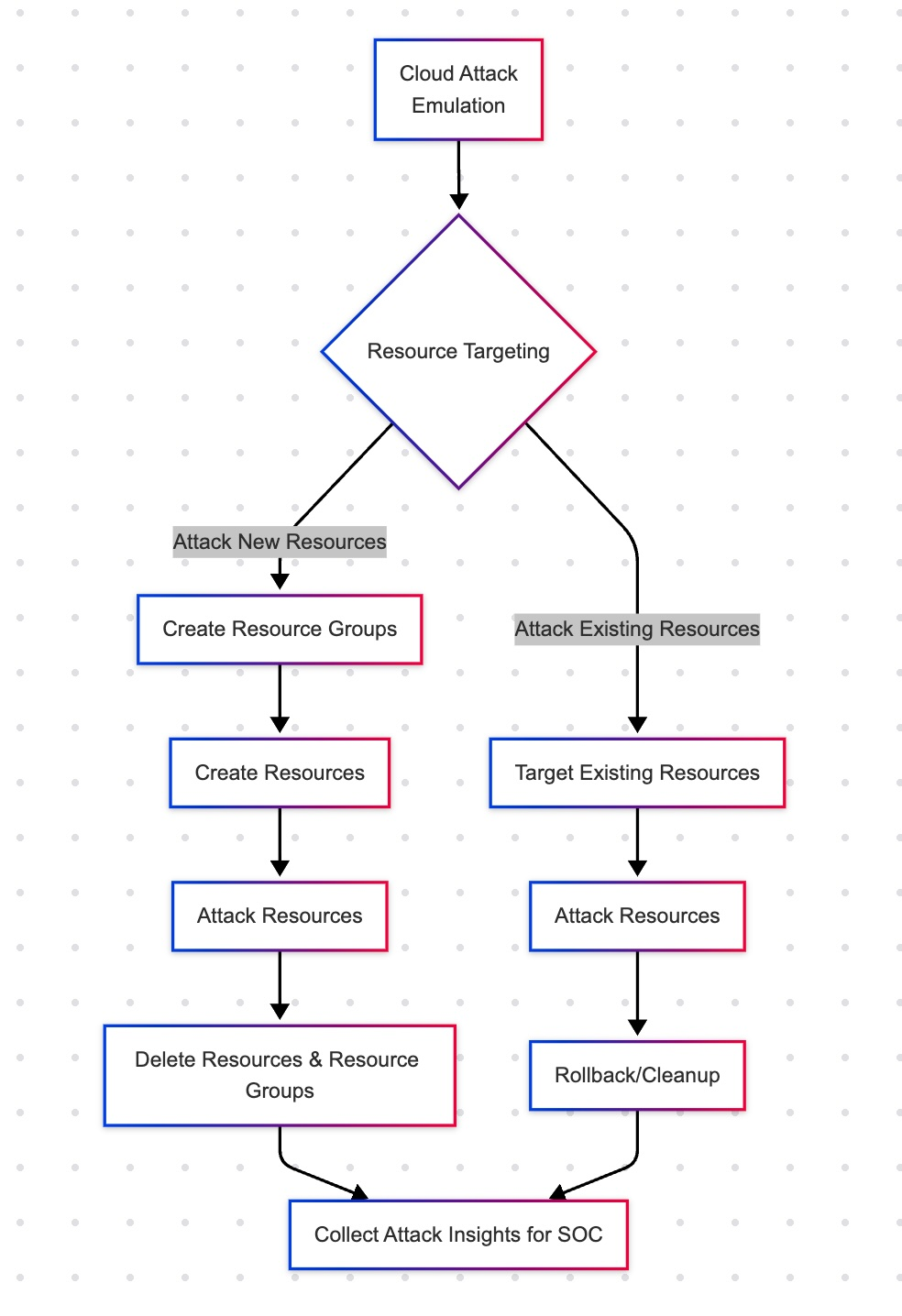
Im Jahr 2025 haben wir die Cloud-Angriffsemulationsfunktionen von Mitigant auf Microsoft Azure ausgeweitet, um der hohen Nachfrage unserer Multi-Cloud-Kunden gerecht zu werden. Dieser Artikel zum Feature-Release stellt umfassende Angriffsszenarien vor, die speziell für Azure-Umgebungen entwickelt wurden und es Sicherheitsteams ermöglichen, ihre Azure-Sicherheitskontrollen durch realistische Angriffstests zu validieren.
Der Artikel beschreibt, wie Unternehmen Angriffsszenarien sicher gegen verschiedene Azure-Dienste – darunter EntraID, Storage Accounts und virtuelle Maschinen – ausführen können, ohne den laufenden Betrieb zu beeinträchtigen. Diese Funktion ermöglicht es Teams, ausnutzbare Fehlkonfigurationen zu identifizieren und ihre Erkennungsmechanismen in der gesamten Azure-Umgebung zu überprüfen.
Die begeisterte Resonanz auf dieses Release unterstreicht den dringenden Bedarf an plattformspezifischen Tools zur Angriffsemulation, da Unternehmen zunehmend auf Multi-Cloud-Architekturen setzen.
Lesen Sie den vollständigen Artikel: Feature-Release: Cloud-Angriffsemulation für Azure
5. Cloud Attack Emulation 101: Der Einstieg
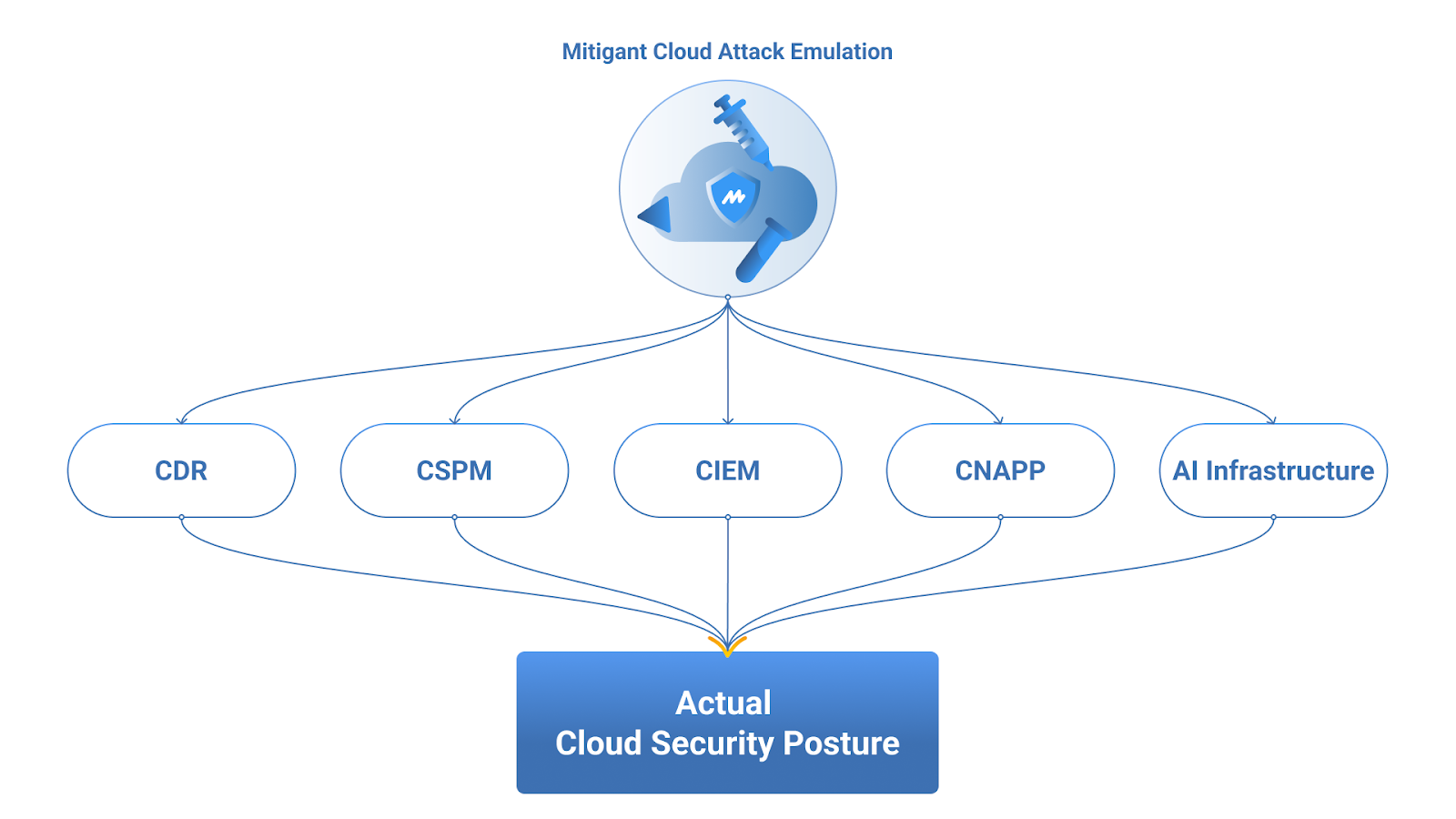
Dieser Artikel ist Teil 1 der Serie „Cloud Attack Emulation 101“, einer Bildungsreise in die praktische Anwendung von Adversarial Emulation für die Cloud-Sicherheit.
Da Unternehmen ihre ersten Schritte mit Cloud Attack Emulation machen, bietet dieser Leitfaden das grundlegende Wissen für Sicherheitsteams, die neu in diesem Bereich sind. Der Artikel führt die Leser durch die grundlegenden Konzepte, Methoden und Best Practices, um Cloud-Angriffe sicher in Produktionsumgebungen zu emulieren.
Von der Einrichtung erster Angriffsszenarien bis hin zur Interpretation der Ergebnisse und der Verbesserung der Sicherheitslage basierend auf den Erkenntnissen: Dieser umfassende Leitfaden unterstützt Sicherheitsteams bei ihren ersten Schritten in Richtung empirischer Sicherheitsvalidierung. Der praktische, schrittweise Ansatz macht komplexe Konzepte für Teams mit unterschiedlichem Reifegrad zugänglich und behandelt kritische Themen wie die Denkweise des „Advocatus Diaboli“, Anwendungsfälle für Übungen zur Reaktion auf Vorfälle und Strategien für einen sicheren Start.
Das anhaltende Interesse an diesen grundlegenden Inhalten unterstreicht die zunehmende Verbreitung von Cloud Attack Emulation als zentrale Sicherheitspraxis und zeigt den Bedarf der Branche an umsetzbaren Anleitungen zur Implementierung von Adversarial Testing.
Die Serie „Cloud Attack Emulation 101“:
- Cloud Attack Emulation 101: Der Einstieg (Juni 2025) – Grundlegende Konzepte, der Ansatz des „Advocatus Diaboli“ und wie man sicher mit Tests außerhalb der Produktion und Enumerationsangriffen beginnt
- Cloud Attack Emulation 101: In flachen Gewässern (Oktober 2025) – Ein tiefer Einblick in die Bausteine von Angriffen, Angriffsaktionen vs. Szenarien und wie man von theoretischer Abdeckung zur empirischen Validierung gelangt
- Cloud Attack Emulation 101: Teil 3 (Demnächst) – Bleiben Sie dran, während wir diese Serie mit fortgeschrittenen Techniken und Strategien für die praktische Umsetzung fortsetzen
6. Cloud-Sicherheitsstrategien neu denken mit Adversarial Exposure Validation
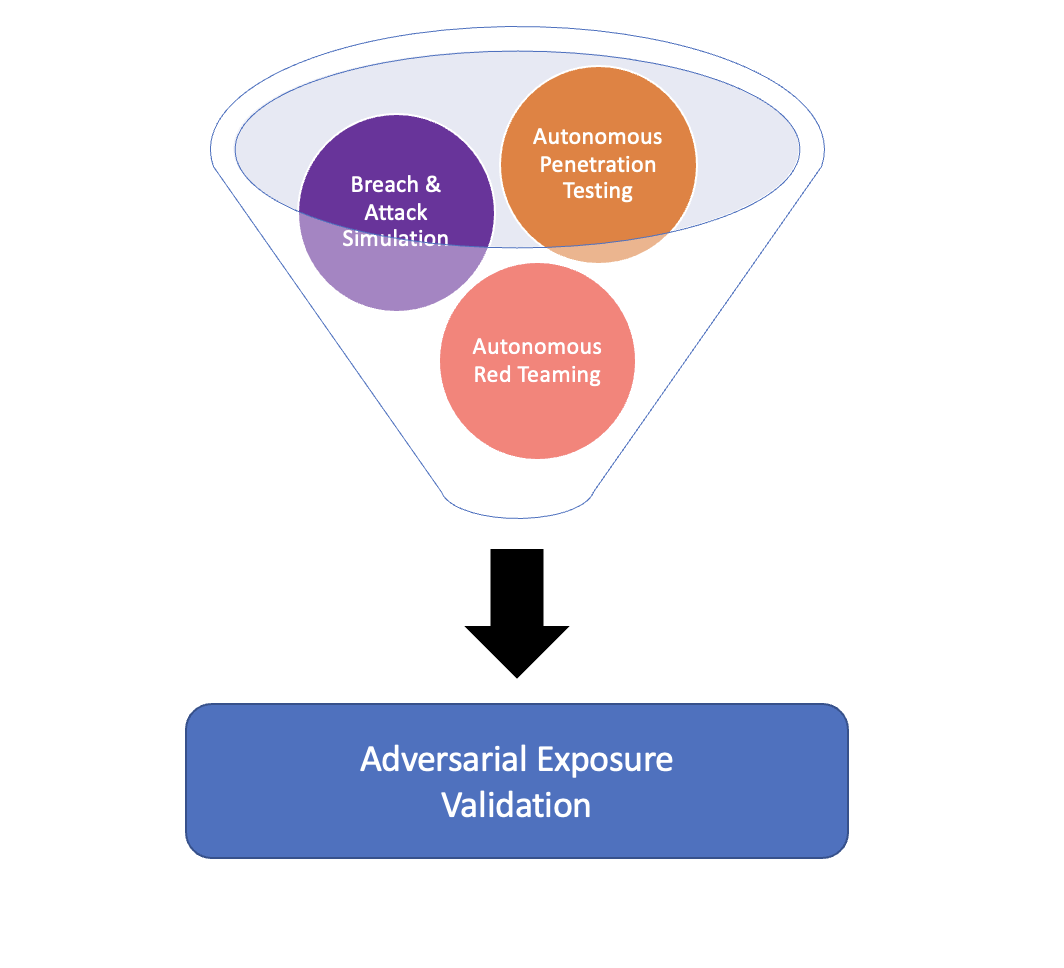
Herkömmliche Cloud-Sicherheitsansätze stützen sich oft auf statische Konfigurationsprüfungen und theoretische Risikobewertungen. Dieser Thought-Leadership-Artikel beleuchtet Adversarial Exposure Validation (AEV), eine von Gartner eingeführte, paradigmenwechselnde Kategorie, die die Cloud-Sicherheitsstrategie von Unternehmen grundlegend verändert.
Als Pioniere im AEV-Bereich untersuchen wir, wie dieser von Gartner definierte Ansatz Unternehmen von „hoffnungsbasierten“ Sicherheitsmodellen hin zu evidenzbasierten Ansätzen führt, bei denen Sicherheitskontrollen kontinuierlich durch sichere Angriffsemulation validiert werden. Der Artikel stützt sich auf unsere operative Erfahrung bei der Implementierung von AEV-Prinzipien auf der Mitigant-Plattform und zeigt die Grenzen traditioneller CSPM-Tools auf sowie wie empirische Validierung tiefere Einblicke in die tatsächliche Ausnutzbarkeit statt nur in theoretische Schwachstellen liefert.
Dass Gartner AEV als eigenständige Sicherheitskategorie anerkennt, bestätigt unsere langjährige Überzeugung: Unternehmen müssen über das bloße Scannen nach Fehlkonfigurationen hinausgehen und aktiv testen, ob diese Schwachstellen tatsächlich ausnutzbar sind. Dieser Beitrag stieß bei Sicherheitsverantwortlichen und Entscheidungsträgern, die ihre Cloud-Sicherheitsstrategien von reaktiven auf proaktive Ansätze umstellen wollen, auf große Resonanz.
Hier geht es zum vollständigen Artikel: Cloud-Sicherheitsstrategien neu denken mit Adversarial Exposure Validation
7. Die am weitesten verbreiteten Cloud-Angriffstechniken entmystifiziert
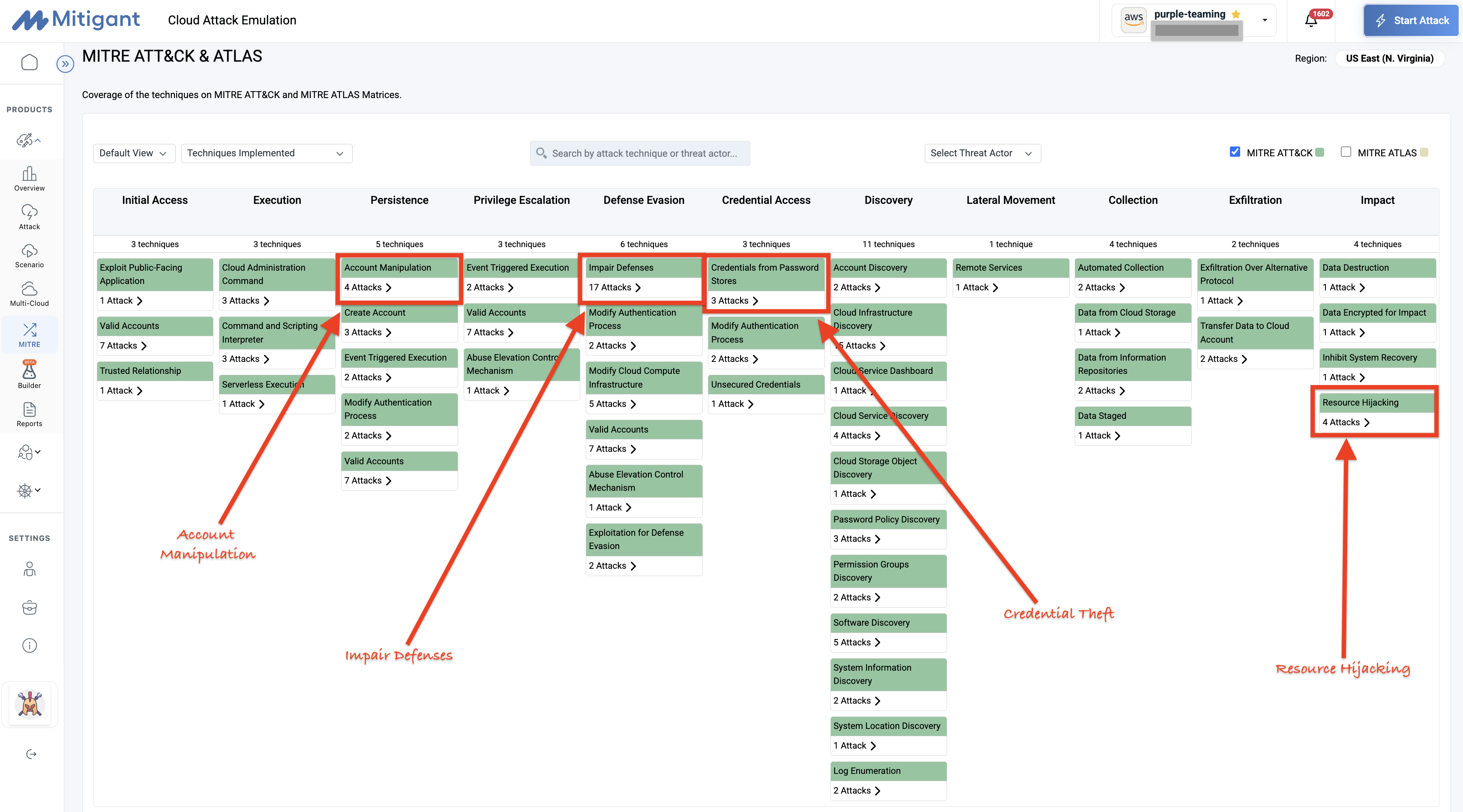
Dieser Artikel analysiert die Ergebnisse aus dem Threat Detection Report 2025 von Red Canaryund übersetzt Bedrohungsinformationen der Branche in konkrete Handlungsempfehlungen für die Cloud-Sicherheit.
Cloud-Umgebungen sehen sich einer sich ständig wandelnden Bedrohungslandschaft gegenüber, wobei sich bestimmte Angriffstechniken über verschiedene Cloud-Plattformen hinweg als besonders effektiv erweisen. Der Threat Detection Report 2025 von Red Canary lieferte entscheidende Einblicke in die Techniken, die Angreifer derzeit aktiv einsetzen. Dieser Artikel baut auf dieser Grundlage auf und ergänzt sie durch unsere operativen Erfahrungen aus tausenden von Angriffssimulationen.
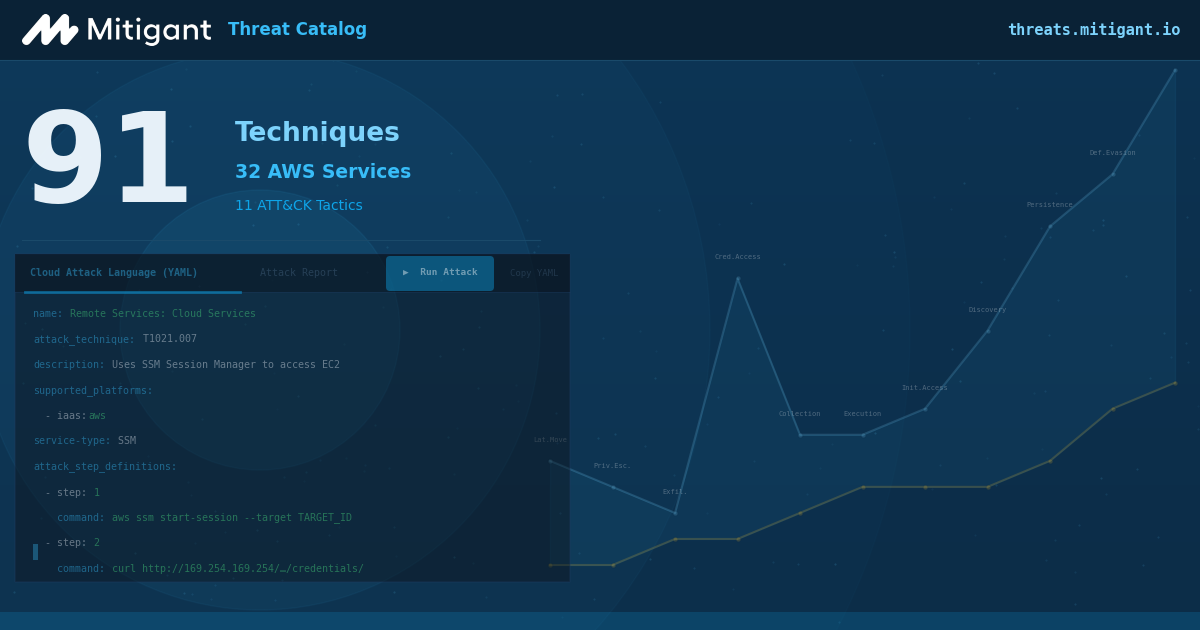
Wir bieten eine fundierte Analyse der am weitesten verbreiteten Cloud-Angriffstechniken, die in realen Vorfällen beobachtet wurden. So helfen wir Sicherheitsteams dabei, die Taktiken zu verstehen und abzuwehren, die Angreifer tatsächlich nutzen – keine theoretischen Risiken, sondern dokumentierte Angriffsmuster aus den Frontline-Erkennungsdaten von Red Canary. Von Credential Harvesting und Privilegieneskalation bis hin zu Datenexfiltration und Persistenzmechanismen untersuchen wir jede Technik anhand des MITRE ATT&CK-Frameworks.
Der Artikel schlägt die Brücke zwischen Threat Intelligence und praktischer Umsetzung, indem er Erkennungsstrategien und Verteidigungsempfehlungen liefert, die Sicherheitsteams sofort anwenden können. Noch wichtiger: Wir zeigen, wie die Cloud Attack Emulation-Plattform von Mitigant es Unternehmen ermöglicht, ihre Abwehrmaßnahmen proaktiv gegen genau diese von Red Canary identifizierten Techniken zu testen und zu validieren, ob Erkennungstools diese verbreiteten Angriffe tatsächlich aufdecken würden.
Der praxisorientierte Fokus auf das Verhalten realer Angreifer, gestützt auf die empirischen Daten von Red Canary , macht diesen Beitrag zu einer wertvollen Ressource für eine bedrohungsorientierte Verteidigungsstrategie.
Hier geht es zum vollständigen Artikel: Die am weitesten verbreiteten Cloud-Angriffstechniken entmystifiziert
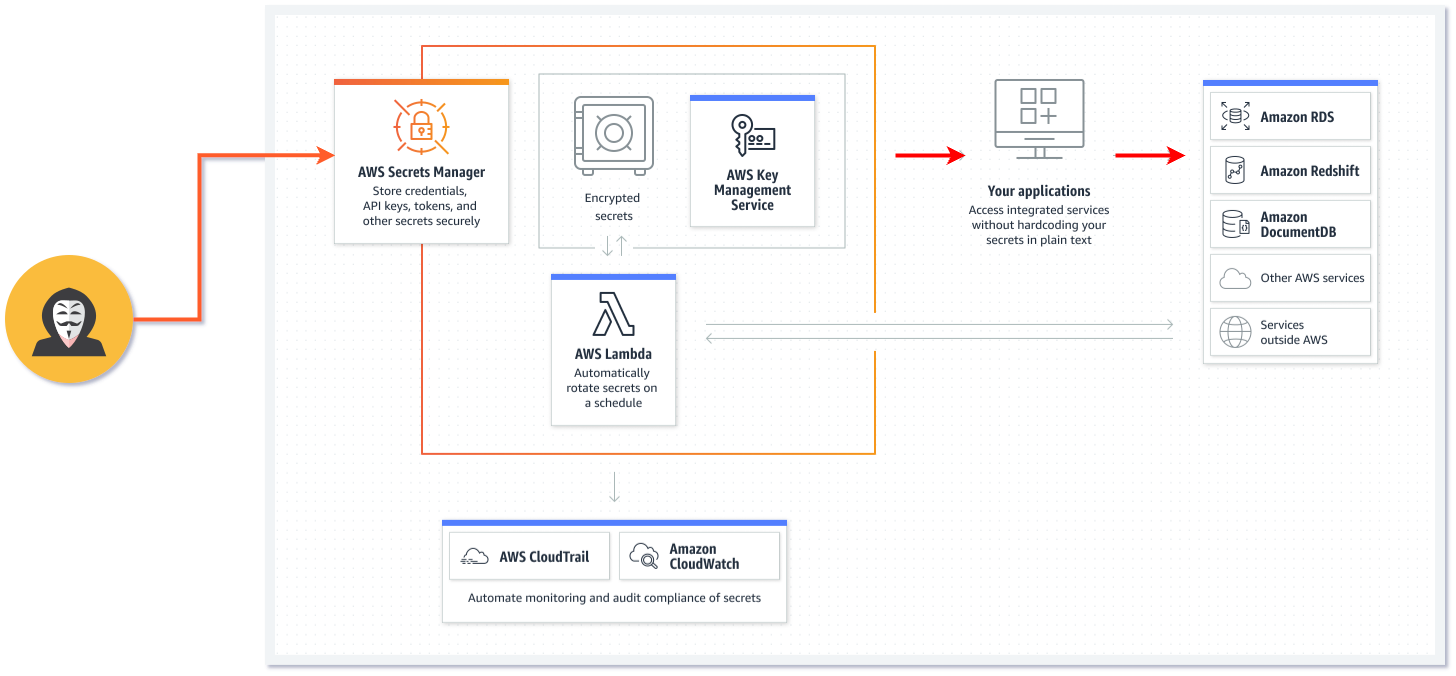
8. MITRE ATT&CK Cloud Matrix: Neue Techniken und warum sie wichtig sind. Teil I
Das MITRE ATT&CK-Framework ist zu einem unverzichtbaren Bestandteil moderner Cybersicherheitsarchitekturen geworden. Es liefert entscheidende Erkenntnisse über die Taktiken und Techniken von Angreifern, die effektiven Verteidigungsstrategien zugrunde liegen. Als MITRE im Oktober 2023 das ATT&CK-Framework v14 mit über 18 neuen Techniken veröffentlichte, erhielt die Cloud-Sicherheitslandschaft wichtige Einblicke in das sich wandelnde Verhalten von Angreifern.
Dieser Artikel untersucht zwei der vier neuen Techniken, die für den IaaS-Bereich der MITRE ATT&CK-Matrix für Unternehmen relevant sind, und konzentriert sich dabei auf Methoden, denen Organisationen bei realen Cloud-Kompromittierungen begegnen. Wir analysieren Abuse Elevation Control Mechanism - Temporary Elevated Cloud Access und Credentials from Password Stores: Cloud Secrets Management Storesund zeigen auf, wie raffinierte Angreifer diese Methoden nutzen, um Cloud-Umgebungen zu kompromittieren.
Anstatt diese Techniken nur theoretisch zu dokumentieren, schlägt der Artikel die Brücke zwischen der Theorie des Frameworks und der praktischen Sicherheitsarbeit. Wir zeigen, wie Sicherheitsteams die Erkenntnisse aus MITRE ATT&CK nutzen können, um ihre Detection Engineering-, Threat Hunting- und Incident Response-Strategien gezielt auszurichten. Noch wichtiger ist, dass wir demonstrieren, wie die Plattform von Mitigant es Teams ermöglicht, genau diese Techniken proaktiv in ihren Umgebungen zu emulieren, um zu überprüfen, ob ihre Sicherheitskontrollen diese Angriffe tatsächlich erkennen würden, bevor Angreifer sie ausnutzen.
Das anhaltende Interesse an diesem Thema spiegelt die fortwährende Relevanz von Threat-Intelligence-Frameworks als grundlegende Werkzeuge für Sicherheitsexperten wider, die ausgereifte, bedrohungsorientierte Verteidigungsprogramme aufbauen.
Lesen Sie den vollständigen Artikel: MITRE ATT&CK Cloud Matrix: Neue Techniken und warum sie wichtig sind. Teil I
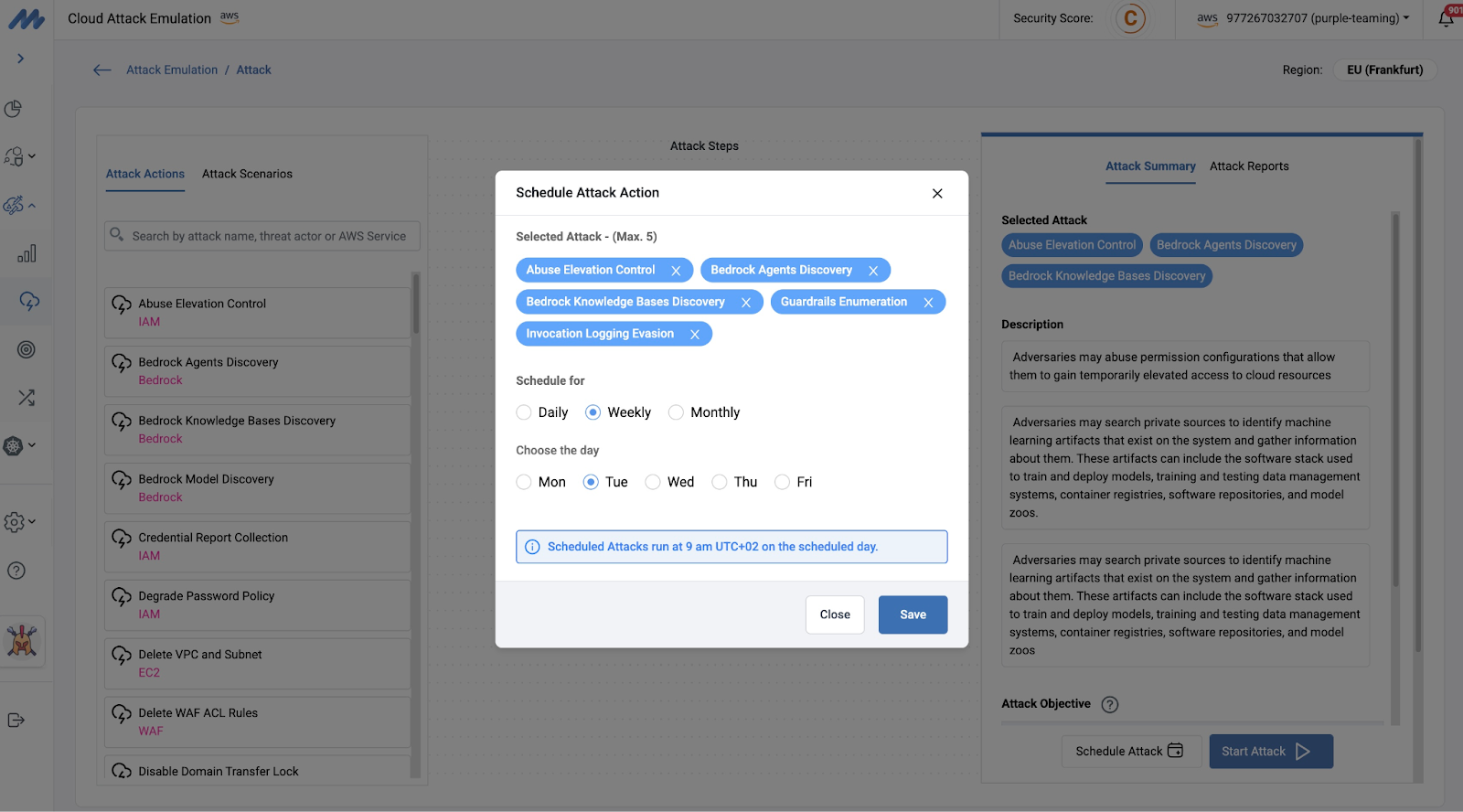
9. Feature-Release: Januar 2025
Wir starten ins Jahr 2025 mit transformativen Funktionen, die auf Basis von Kundenfeedback entwickelt wurden. Dieses Release führt vier wichtige Neuerungen ein, die Unternehmen dabei unterstützen, ein Continuous Threat Exposure Management (CTEM) zu implementieren und Angriffs-Emulationen in moderne Sicherheits-Workflows zu integrieren.
Attack-as-Code (AaC): Diese bahnbrechende Funktion überträgt Software-Engineering-Prinzipien auf die offensive Sicherheit und ermöglicht so Wiederholbarkeit, Konsistenz und Verwaltbarkeit bei Sicherheitstests und -validierungen. Basierend auf der Mitigant-API und unter Nutzung von GitHub Actions ermöglicht AaC Teams die nahtlose Integration von Adversary Emulation in Detection-as-Code (DaC)-Pipelines.
Angriffsplaner: Automatisiert die Ausführung von Sicherheitsvalidierungsaufgaben und ermöglicht es Sicherheitsteams, Angriffe täglich, wöchentlich oder monatlich zu planen. Diese Automatisierung spart Sicherheitsexperten wertvolle Zeit und gewährleistet gleichzeitig die kontinuierliche Überprüfung von Cloud-Ressourcen, einschließlich IAM-Richtlinien, Verschlüsselungskonfigurationen und Protokollierungsmechanismen.
Priorisierung von Kubernetes-Schwachstellen: Da nicht alle Schwachstellen das gleiche Risiko darstellen, hilft diese Funktion Teams dabei, ihre Behebungsmaßnahmen auf das Wesentliche zu konzentrieren. Die Plattform integriert nun zwei branchenführende Priorisierungsansätze: EPSS (Exploit Prediction Scoring System), das auf Basis von Bedrohungsinformationen aus der Praxis die Wahrscheinlichkeit vorhersagt, mit der eine Schwachstelle tatsächlich ausgenutzt wird, sowie KEV (Known Exploited Vulnerabilities) aus dem CISA-Katalog der aktiv ausgenutzten Schwachstellen..
DefectDojo-Integration: Diese Integration schlägt eine Brücke zwischen Schwachstellenmanagement und Angriffsemulation. Sie ermöglicht automatisierte Workflows, bei denen identifizierte Schwachstellen durch reale Exploit-Versuche validiert werden können, was empirische Beweise für die Ausnutzbarkeit liefert, anstatt sich nur auf theoretische Einschätzungen zu verlassen.
Diese Funktionen positionieren Mitigant als führend bei der Implementierung des Gartner CTEM-Frameworks und stellen Unternehmen Werkzeuge zur Verfügung, um ihre Sicherheitsprogramme kontinuierlich zu entdecken, zu priorisieren, zu validieren und zu mobilisieren.
Lesen Sie den vollständigen Artikel: Feature-Release: Januar 2025
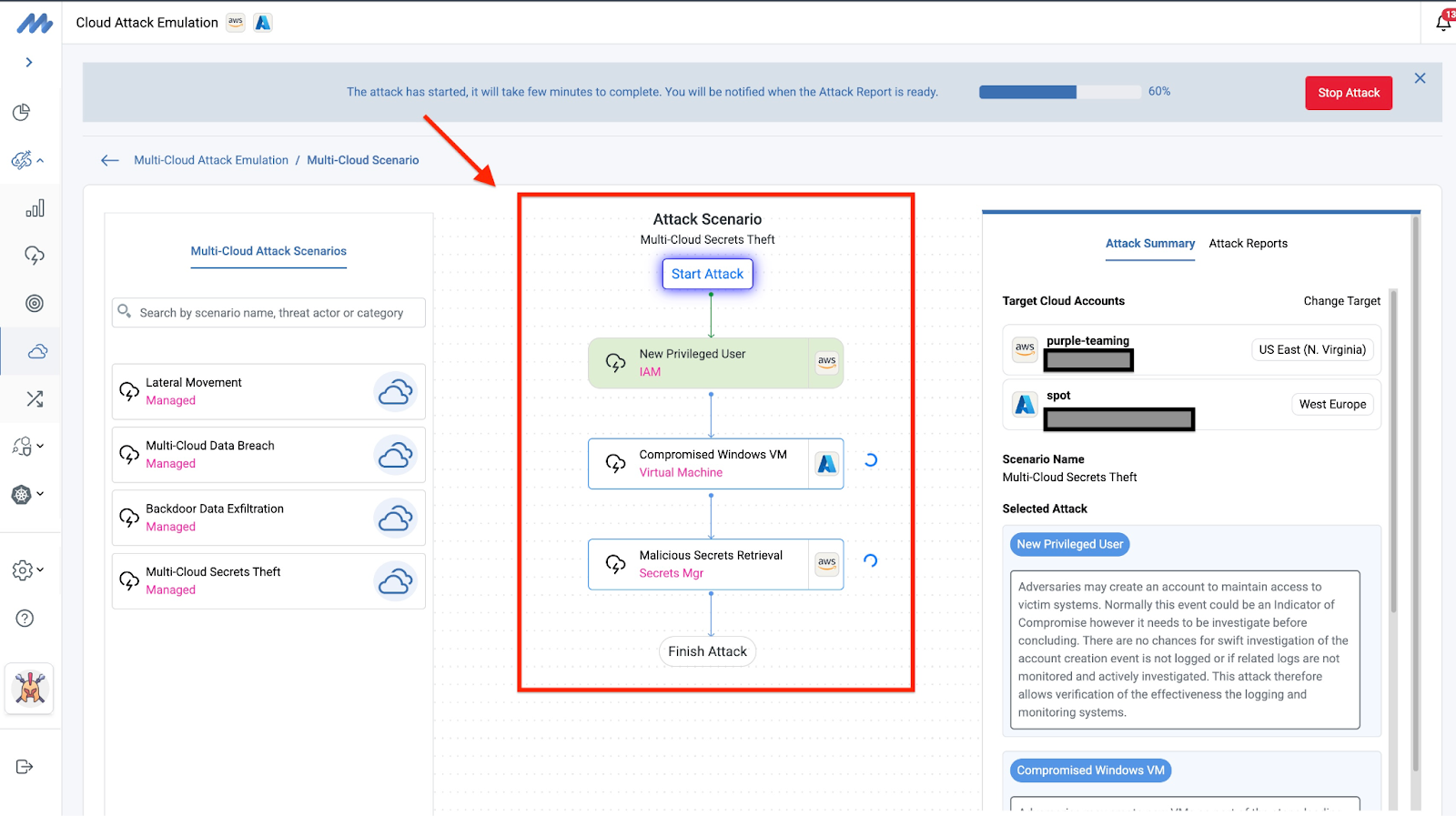
10. Feature-Release: Multi-Cloud-Angriffsemulation
Zum Abschluss unserer Top 10 adressiert dieses Feature-Release einen kritischen Bedarf von Unternehmen, die auf mehreren Cloud-Plattformen tätig sind. Die Multi-Cloud-Angriffsemulation ermöglicht es Sicherheitsteams, koordinierte Angriffsszenarien über AWS- und Azure-Umgebungen hinweg auszuführen und bietet so einen einheitlichen Überblick über die Sicherheitslage in der gesamten Cloud-Infrastruktur.
Der Artikel untersucht, wie Cross-Cloud-Angriffsketten in der Praxis funktionieren, und zeigt auf, wie die Plattform von Mitigant Unternehmen dabei hilft, Sicherheitslücken zu identifizieren, die erst bei Tests über Cloud-Grenzen hinweg sichtbar werden. Diese Fähigkeit ist für Unternehmen mit komplexen, heterogenen Cloud-Umgebungen unerlässlich.
Das große Interesse spiegelt die Realität wider, dass die meisten Unternehmen heute in Multi-Cloud-Umgebungen arbeiten und Sicherheitslösungen benötigen, die mit dieser Komplexität Schritt halten können.
Lesen Sie den vollständigen Artikel: Feature-Release: Multi-Cloud-Angriffsemulation
Ausblick auf 2026
Wenn wir auf die erfolgreichsten Inhalte des Jahres 2025 zurückblicken, kristallisieren sich einige Themen heraus: Die zunehmende Konvergenz von KI und empirischer Sicherheitsvalidierung verändert die Cloud-Sicherheit grundlegend. Dieses Jahr war geprägt von bedeutenden Meilensteinen, um hochentwickelte offensive Sicherheitsfunktionen zugänglich, intelligent und kontinuierlich einsatzbereit zu machen.
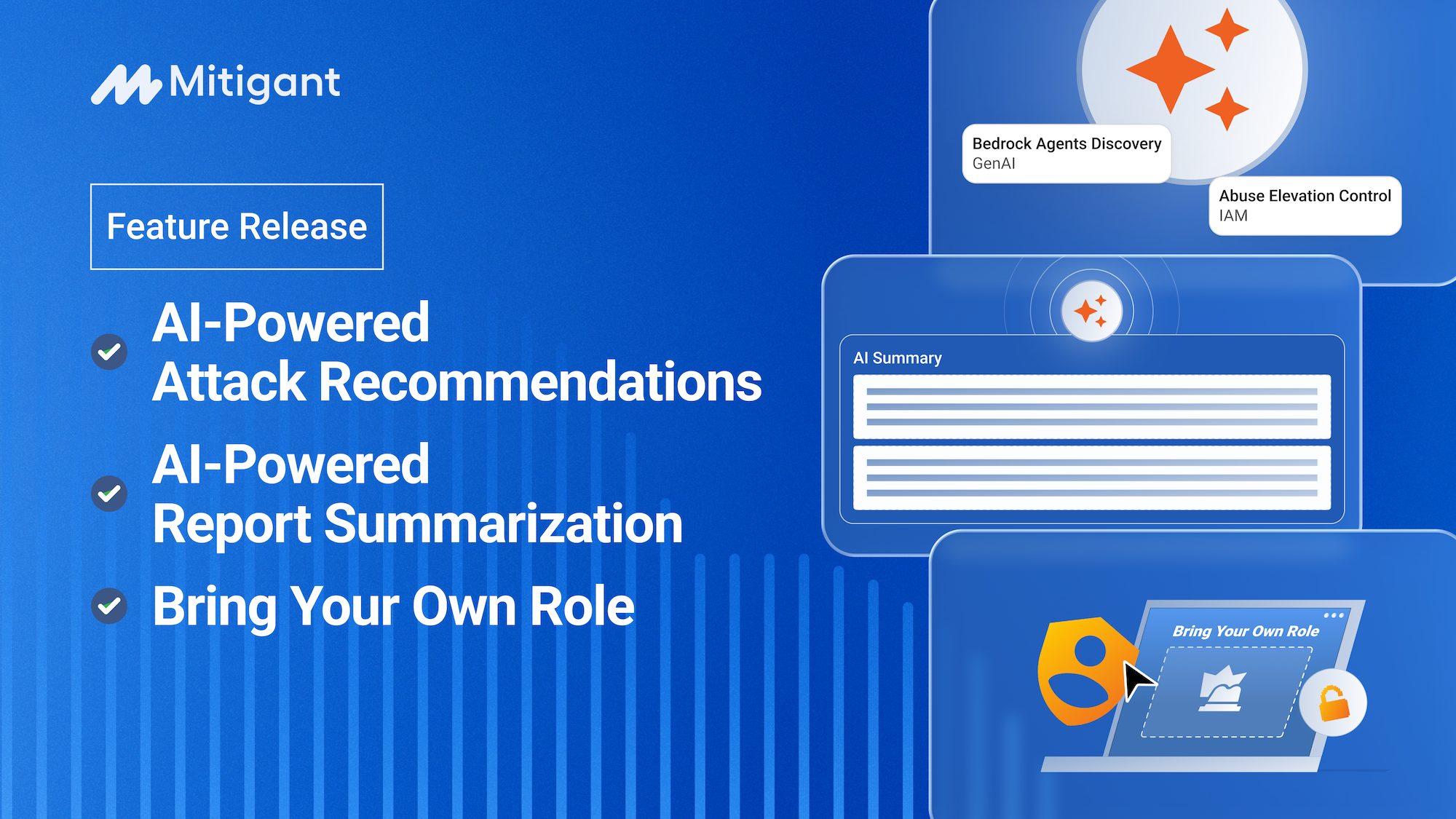
KI-gestützte Intelligenz: Wir haben KI in die gesamte Plattform integriert, von der intelligenten Zusammenfassung von Angriffsberichten bis hin zu kontextbezogenen Empfehlungen für Angriffe. Diese KI-Funktionen automatisieren nicht nur Aufgaben, sondern erweitern die Expertise von Sicherheitsteams und ermöglichen es Anwendern aller Qualifikationsstufen, komplexe Sicherheitsvalidierungen mit beispielloser Effizienz durchzuführen.
Attack Builder: Unser innovativer Attack Builder demokratisiert die Erstellung von Angriffen und ermöglicht es Sicherheitsteams, benutzerdefinierte Cloud-Angriffsszenarien ohne Programmierung zu erstellen. Diese Funktion, die sich derzeit in der Beta-Phase befindet, spiegelt unsere Vision wider, Cloud-Angriffsemulation so intuitiv wie die Erstellung eines Workflows zu gestalten und Sicherheitsteams in die Lage zu versetzen, ihre individuellen Bedrohungsmodelle per Point-and-Click zu testen.
Attack-as-Code: Indem wir Software-Engineering-Prinzipien auf die offensive Sicherheit übertragen, haben wir Detection Engineers und SecOps-Teams in die Lage versetzt, Adversary Emulation direkt in ihre CI/CD-Pipelines zu integrieren. Attack-as-Code verwandelt die Sicherheitsvalidierung von periodischen Übungen in kontinuierliche, automatisierte Prozesse, die mit der modernen Entwicklungsgeschwindigkeit Schritt halten.
Automatisierte Cloud-Penetrationstests: Die Kombination aus Zeitplanung, Automatisierung und intelligenter Angriffsauswahl hat Cloud-Penetrationstests von teuren, seltenen Einzelprojekten in eine kontinuierliche, kosteneffiziente Validierung verwandelt. Unternehmen können nun dauerhaft eine offensive Sicherheitshaltung einnehmen, ohne die üblichen Ressourcenbeschränkungen.
Diese Innovationen spiegeln unser unermüdliches Engagement für die Grundprinzipien wider, auf denen Mitigant gegründet wurde: Security Chaos Engineering, empirische Validierung und die Überzeugung, dass eine effektive Verteidigung erfordert, wie ein Angreifer zu denken. Auf dem Weg ins Jahr 2026 konzentrieren wir uns weiterhin darauf, die Grenzen des Machbaren bei der Cloud-Sicherheitsvalidierung zu verschieben und sie intelligenter, zugänglicher und wirkungsvoller zu machen.
Setzen Sie Ihren Weg fort
Weitere Einblicke entdecken: Tauchen Sie tiefer in die Cloud-Sicherheitsforschung, Bedrohungsanalysen und Plattforminnovationen ein auf dem Mitigant-Blog. Von technischen Deep-Dives bis hin zu strategischer Thought Leadership veröffentlichen wir praxisnahe Inhalte, die Sicherheitsteams dabei helfen, sich entwickelnden Bedrohungen einen Schritt voraus zu sein.
Mitigant in Aktion erleben: Erfahren Sie, wie Unternehmen verschiedenster Branchen ihre Cloud-Sicherheit durch empirische Validierung grundlegend verbessern. Besuchen Sie unsere Kunden-Fallstudien und entdecken Sie praxisnahe Implementierungen und Ergebnisse von Unternehmen, die auf die Plattform von Mitigant setzen.
Bereit, Ihre Abwehr zu validieren? Warten Sie nicht auf einen Sicherheitsvorfall, um Ihre Schwachstellen zu entdecken. Buchen Sie eine Demo und erfahren Sie, wie die Cloud Attack Emulation-Plattform von Mitigant Ihnen hilft, von einer sicherheitsorientierten Hoffnung hin zu einer evidenzbasierten Verteidigung zu gelangen.


.webp)




.png)